


The Real Math Behind Casino Games (And Why It Matters)
Every casino game runs on a simple promise: the house will win a small slice of every action, and the house is very good at keeping that promise. That does
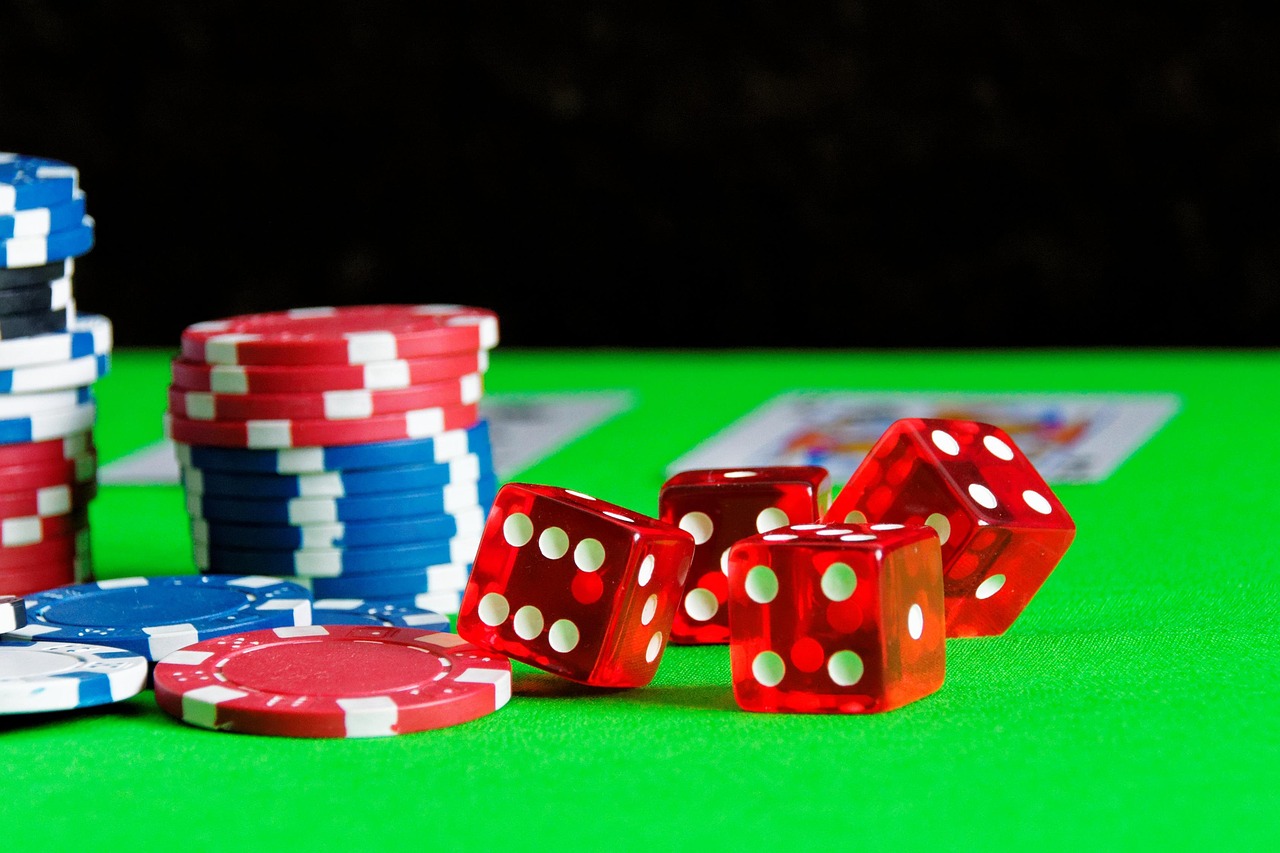
Every casino game runs on a simple promise: the house will win a small slice of every action, and the house is very good at keeping that promise. That doesn't mean you can't enjoy the ride, or that you can't occasionally walk away ahead. But it does mean you should understand the mechanics before you buy chips on a table or spin a slot. The numbers aren't hidden. In most regulated markets, they're published on the game screen if you look for them. The trick is knowing what those numbers actually mean.
House Edge Is Not a Tax on Fun—It's the Price of the Session
Casinos don't need to cheat because the math already favors them. That's exactly what we mean by house edge, and it varies far more than most players realize. If you play bad blackjack—more on that later—you're donating about 2% of every bet to the casino. If you play perfect basic-strategy blackjack, that edge drops to roughly 0.5%. Slot machines are a different beast. The house edge on a typical slot in Las Vegas sits closer to 8% or 10%, though it can swing wildly based on volatility configuration. You can read more about it on keonhacaii5.com.co.
Let's give that a tangible shape. Play 100 hands of a 99.5% RTP game says nothing about one night, but it tells you the vacuum where the game wants to pull you. The immediate takeaway isn't "never play slots." It's "know what you're getting into" and stop fooling yourself that a hot streak is due.
Jackpot Fever: Why Randomness Doesn't Remember You Either
The most poisonous word in gambling is probably "due." It sounds like logic. If the slot hasn't paid out in 800 spins, and the listed RTP is 96% over millions of spins, then surely it's ready, right? Not even close. Every spin is an independent event. The software doesn't keep a personal ledger of your losses. It doesn't "owe" you anything. Progressive jackpots add a layer of excitement because they grow with every wager placed across a network of linked machines, but that growth doesn't make the next spin any more likely to hit. You should treat jackpot games as entertainment with a lottery ticket attached, not as an investment strategy.
There's also a misguided belief that a machine that just paid a massive jackpot won't pay again for a while. That is not how random number generators work. If you catch a slot during a live jackpot moment, the machine could pay again on the next spin if the RNG lands there. Of course, the odds of that are astronomically low. That is a feature, not a bug; jackpots need many players, many spins, and long dry spells to build up to the size that gets your heart rate moving.
Poker vs. the House: Three Opponents, Three Different Problems
Poker is the black sheep of the casino floor because you aren't playing the house, mostly. In a cash game, the house rakes a small percentage of every pot, typically somewhere between 3% and 10%, often capped at a few dollars. But the real adversary is the lineup. There are three broad categories, and they require three totally different approaches.
- Recreational gamblers: Maybe “aspiring movie stars,” a friend requests you often. It's great to be the grinder at the table full of these players, but be careful playing turbo speed.
- Nits and rocks: Those are the players who fold everything except post-ace kings. What happens if they raise preflop? Fold more comfortably.
- Limpy/splashy: These games are loose and punishing. If you can form a big hand, these are the tables where you'll make more profit than a GTO game will ever pay. Blocker removal becomes your favorite phrase.
The House edge at poker is static, and tracking your results over time is meaningless for beating the rake. What matters is table selection and adjusting to three broad player types. The house gets its cut every hand; you get to collect from everyone else.
Practical Bankroll Management Tips That Actually Work
Most players lose because they don't set limits before they sit down. That's it. That's the whole story. If you walk in with $500 and you're willing to accept a $500 loss, decide ahead of time whether you're going to leave when you're up, down, or even. Here's how to think about it like a pro.
- Determine your unit size. If you have a $1,000 poker bankroll, buy in for $50 max. If you have a $500 casino bankroll, don't spin a $5 slot machine.
- Set a stop-win number. This prevents you from chasing losses and keeps you honest about what you're actually doing.
- Never chase. It's not a bad beat after one bet; it happens after a sequence of bets where emotion, not math, is deciding. The faster you neutralize that, the more stable you'll be.
- Don't bet more than you can afford. This is a job for them; a night of fun falls into the comfortable number. Keep things clean and honest with yourself.
Luck, Variance, and the Long Run: What Actually Matters
Variance is the difference between what the math predicts and what actually happens in your session. A straightforward job allows average expected value increases to reveal themselves immediately in some sessions and disappear in others. Slots excel at creating the widest variance bands; poker and blackjack are narrower, but they're never even close to zero.
The trick is not to manage your luck but to manage your bankroll. If you have a 100-bet bankroll, a five-hand losing streak won't force you to move down. If you have a five-bet bankroll, it will. Long sessions don't outrun the house edge, and they increase the probability that variance close to the mean will flatten out over tens of thousands of hands. The math is on the casino's side over extended time. Your only job is to decide whether the entertainment value justifies the expense before you sit down.
The Bottom Line: Play Like You Know the Numbers, Not the Hype
None of this means you can't enjoy a night at the tables or a Sunday afternoon spinning slots. It means you should walk in with open eyes. Know your RTP, keep your betting units small enough to absorb swings, and don't buy into the myth that machine cycles or card counters guarantee a win. The house edge is baked in, but your own behavior is the one variable you actually control. And honestly, that's a lot more than most gamblers can say.

Post a comment